Barcelona
Where to Stay in Barcelona: Neighbourhoods Compared
Barcelona compresses a lot into a small map: the medieval core, Gaudí's Eixample and the beach are all within a few Metro stops of each other. That makes location less about reaching the sights and more about what you want at midnight — silence, tapas bars or sand. It also means noise is the one thing worth checking hardest before you book.
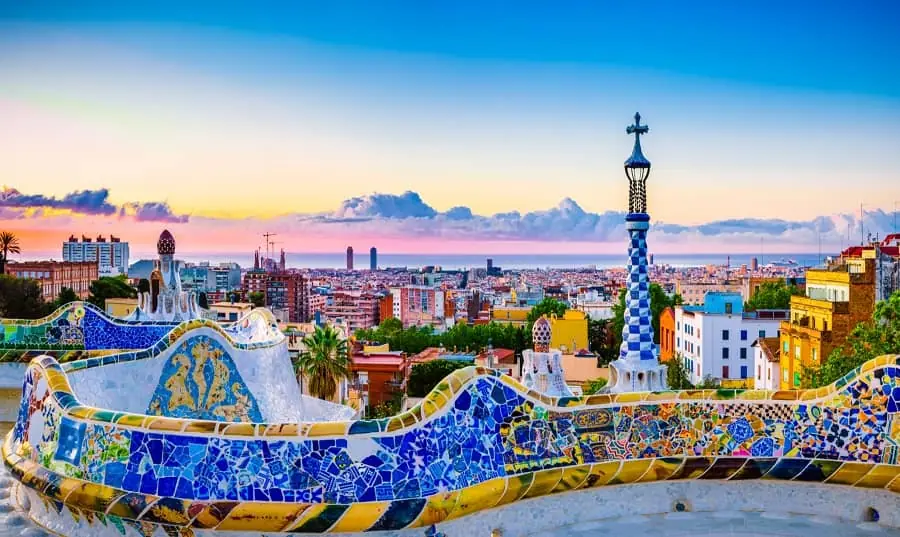
Search stays in Barcelona
Where to stay in Barcelona
Gothic Quarter (Barri Gòtic)
Medieval lanes between the cathedral and the sea — the most atmospheric address in the city and the most touristed. Interior streets get loud at night and daylight can be scarce in the narrowest lanes; a room on a small square is the sweet spot.
See stays hereEl Born
The Gothic Quarter's better-groomed neighbour: the Picasso Museum, cocktail bars and independent boutiques on slightly wider streets. Keeps the old-town atmosphere with a touch less chaos — the best first-visit compromise in the old city.
See stays hereEixample
The elegant nineteenth-century grid around Passeig de Gràcia, home to Casa Batlló, La Pedrera and most of the city's smarter hotels. Wide pavements, balconies and quieter nights — you trade medieval atmosphere for space, light and easy Metro access.
See stays hereGràcia
A former village above the Eixample with its own squares, festivals and unhurried pace. Few sights beyond Park Güell up the hill, which is the point — you live like a local and ride the Metro 10–15 minutes to everything else.
See stays hereBarceloneta & the seafront
The old fishermen's quarter and the city beach. Unbeatable if the sea is the trip's centre of gravity, but the narrow streets are dense, noisy in summer and short on quality rooms — most beach-first visitors do better in a seafront hotel towards Port Olímpic.
See stays herePoble-sec & Sant Antoni
The value corner: tapas streets like Carrer de Blai, the Sant Antoni market and Montjuïc's museums and gardens up the hill. A short walk or one Metro stop from the centre, with prices a clear notch below it.
See stays herePlaces to stay in Barcelona
Browse all staysPer-night prices for a sample 3-night stay — enter your dates for real ones
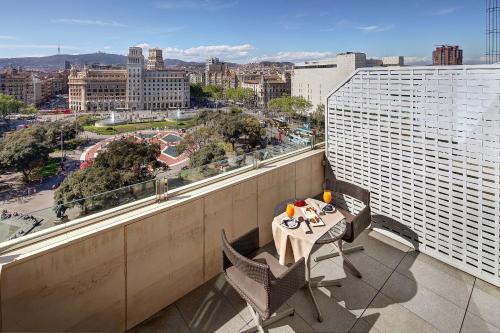
Hotel · 3 guests · 1 bd · 1 ba
Plaza de Catalunya, 19, Barcelona ES, 08002

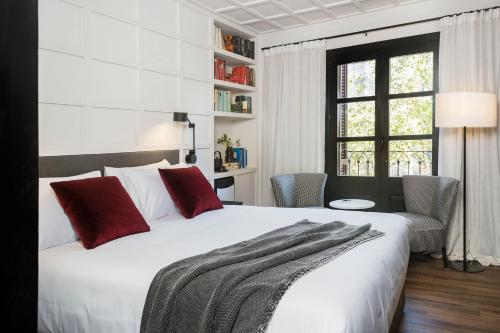
Hotel · 4 guests · 1 bd · 1 ba
Las Ramblas 129, Barcelona ES, 08036

Hotel · 2 guests · 1 bd · 1 ba
Carrer de Fontanella, 7, Barcelona ES, 08010
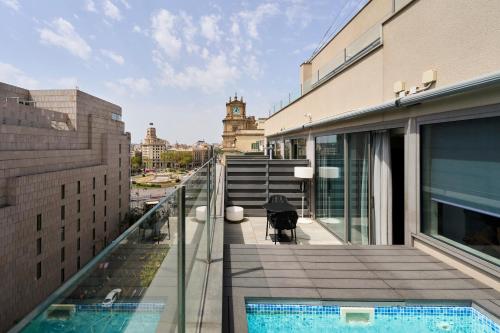
Hotel · 3 guests · 1 bd · 1 ba
Ronda Sant Pere 9, Barcelona ES, 08010

6 guests · 1 bd · 2 ba
Pau Claris, 74 Primero, Barcelona Spain, 08010
Hotel · 3 guests · 1 bd · 1 ba
Bergara 8, Barcelona ES, 08002
Good to know
- Pickpocketing is Barcelona's one real safety problem — the Ramblas, the Metro and the beach are the hotspots. Nothing about the city is dangerous; just keep your phone out of your back pocket and nothing valuable on a café table.
- Tourist apartments must display a licence number (starting HUTB) in the listing, and the city is actively squeezing unlicensed ones. If the listing shows no licence, book something else.
- In the old town, 'lively street' means noise until 3am. Ask for an interior or courtyard-facing room in the Gòtic, Born and Barceloneta, or base yourself in the Eixample where the grid disperses the sound.
- The Aerobus reaches Plaça de Catalunya in about 35 minutes; the Metro needs a change and takes closer to 45–50, on a special airport fare. A taxi is only worth it with luggage for more than two people.
- August is the locals' holiday month: some neighbourhood restaurants and shops close, the beach is packed and humidity peaks. June and September give you the same sea with a working city around it.
When to visit
May, June and September are the best of Barcelona — beach-warm but not oppressive, and the city fully alive. July and August bring heat, humidity and the biggest crowds. The sea stays swimmable well into October, and winter is mild, quiet and the cheapest time for the same central rooms.
Getting around
The Aerobus reaches Plaça Catalunya in about thirty-five minutes and runs every five, which is usually simpler than the metro connection from T1. In town the metro is quick, and a multi-trip card is far cheaper than singles. What the grid does to distances is the thing to watch: Eixample blocks are long, and a walk that looks like ten minutes on the map takes twenty. The Gothic Quarter, by contrast, is a maze best crossed on foot. Bikes work well on the flat between the Eixample and the sea, less so once the ground tilts towards Gràcia and Park Güell — that climb defeats most casual cyclists. Pickpocketing on Line 3 and around Las Ramblas is organised and persistent.
Frequently Asked Questions
Practical answers to the things people ask before booking a stay in Barcelona.
Browse all staysGothic Quarter or Eixample — which should I choose?
Atmosphere against comfort. The old city gives you medieval streets and everything on foot, at the cost of noise and small rooms; the Eixample gives you space, balconies and quiet nights, a 15-minute walk from the same sights. First-time couples usually love El Born; families and light sleepers do better in the Eixample.
Is staying by the beach worth it?
Only if you will actually use it daily. Barceloneta is dense and loud in season, and the sights are a Metro ride away. For a mixed city-and-beach trip, staying central and reaching the sand in 15 minutes works better than the reverse.
Is Barcelona safe?
Yes — violent crime against visitors is rare. The genuine nuisance is skilled pickpocketing in crowds and on the Metro. Treat your phone the way you would treat cash and the odds are firmly in your favour.
Bookings are completed on our partners' websites. We may earn a commission at no extra cost to you.