Amsterdam
Where to Stay in Amsterdam: Areas Compared
Amsterdam is small enough to cross by bike in twenty minutes, so no reasonable base leaves you far from anything. The real variables are noise and money: the medieval centre absorbs millions of visitors a year and prices rooms accordingly, while two tram stops away the city turns residential, calmer and noticeably cheaper. Decide how much of the postcard you need outside your window.
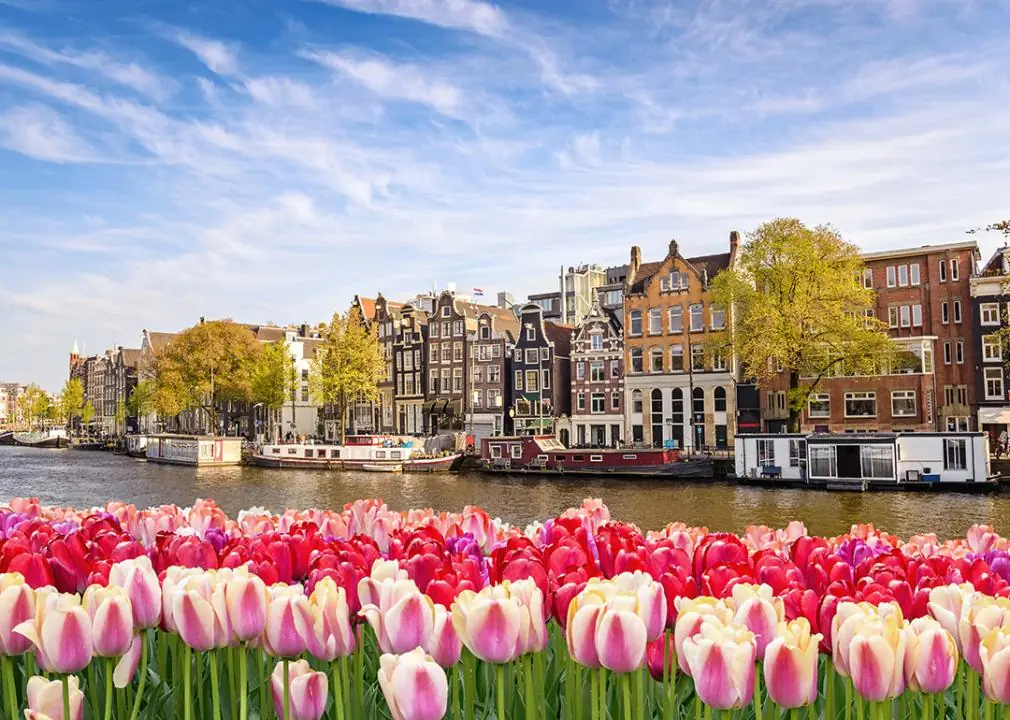
Search stays in Amsterdam
Where to stay in Amsterdam
Canal Ring (Grachtengordel)
The seventeenth-century canals and the Nine Streets' boutiques — the Amsterdam you came for, outside your door. Rooms in canal houses are atmospheric but often small, up steep stairs and expensive; that is the price of sleeping inside the UNESCO postcard.
See stays hereJordaan
Once the working-class quarter, now the prettiest neighbourhood in the city: narrow streets, hofjes, brown cafés and the Anne Frank House on its edge. Quieter than the Ring at night while staying entirely walkable — the first-visit sweet spot if the budget stretches.
See stays hereDe Pijp
The lively southern quarter around the Albert Cuyp market — multicultural food, young bars and the Heineken Experience. Fifteen minutes on foot or a short tram ride to the museums, with better-value rooms and a neighbourhood feel the centre lost some time ago.
See stays hereMuseum Quarter & Oud-Zuid
The Rijksmuseum, Van Gogh Museum and Vondelpark, surrounded by Amsterdam's most polished residential streets. Calm, spacious and upmarket — evenings are quiet, which is either the point or the problem depending on your trip.
See stays hereAround Centraal & the Red Light District
Convenient for a late arrival and nothing else recommends it: stag parties, crowds and noise carry on into the small hours. If a deal lands you here, ask for a high floor at the back — or spend the same money two tram stops away.
See stays hereOost
The eastern quarter around Oosterpark and the Tropenmuseum — increasingly the locals' answer to rising rents, with good cafés and markets. Ten to fifteen minutes by tram from the centre and consistently the best space-for-money in the city.
See stays herePlaces to stay in Amsterdam
Browse all staysPer-night prices for a sample 3-night stay — enter your dates for real ones
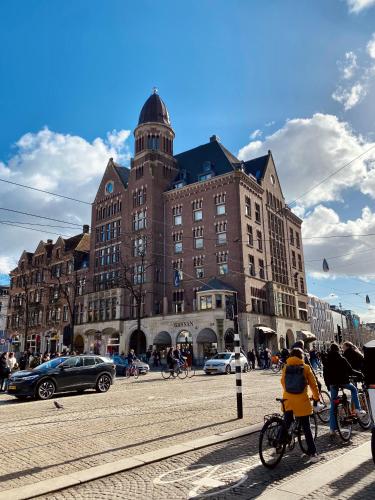
Hotel · 6 guests · 3 bd · 3 ba
Dam 27, Amsterdam NL, 1012

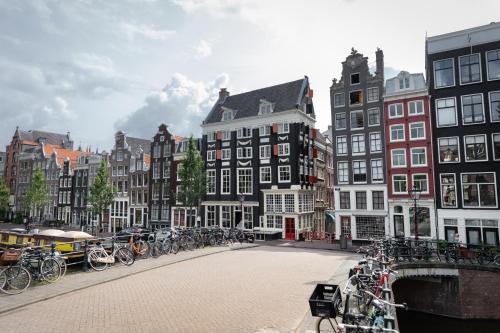
4 guests · 1 bd · 1 ba
83 Singel, Amsterdam, 1012 VE, Netherlands

Hotel · 4 guests · 1 bd · 1 ba
Dam 9, Amsterdam, 1012, Netherlands
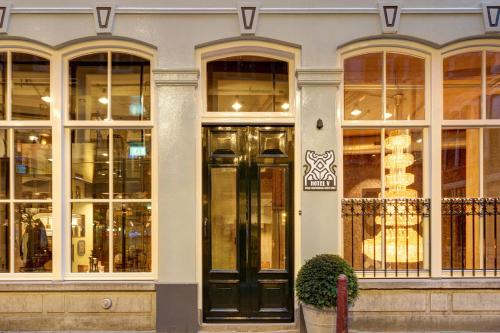
Hotel · 2 guests · 1 bd · 1 ba
Nes 49, Amsterdam NL, 1012

Hotel · 5 guests · 1 bd · 1 ba
Oudezijds Voorburgwal 197, Amsterdam NL, 1012

Hostel · 6 guests · 1 bd · 1 ba
Spuistraat 52, Amsterdam NL, 1012
Good to know
- Amsterdam charges the highest tourist tax in Europe — 12.5% of the room rate on top of the price. Some sites fold it into the displayed total and some don't, so compare final checkout prices, not headline rates.
- Canal-house stairs are famously steep and narrow, and lifts are rare in older buildings. If mobility or heavy luggage is a factor, confirm a lift or a ground-floor room before booking.
- Trains run from Schiphol to Centraal every few minutes and take about 15 — a taxi saves nothing but money leaving your wallet.
- Hotel prices drop sharply from Sunday to Thursday; the same room can cost half its weekend rate. If your dates flex even a day, flex them.
- Bike lanes are transport infrastructure, not decoration: don't walk in them, and look for bikes before every kerb. It is the fastest lesson the city teaches.
When to visit
April and May bring the tulips and King's Day (27 April), when the city parties and room prices triple — book far ahead or avoid the date entirely. June and September are the balanced months: long days, manageable crowds. Winter is low season and genuinely cosy, with museums quiet and canal-side cafés at their most gezellig.
Getting around
Trains from Schiphol reach Centraal in fifteen to twenty minutes and run all night — there is no reason to take a taxi. Trams cover what walking doesn't, and you tap in and out with a contactless card. The real hazard is the bike lane: it's a road, not a pavement, and stepping into one while checking your phone is how most visitors nearly get hit. Cycling yourself is lovely once you learn that trams and other bikes both outrank you.
Frequently Asked Questions
Practical answers to the things people ask before booking a stay in Amsterdam.
Browse all staysWhich area is best for a first visit?
The Jordaan or the western Canal Ring. You get canals and walkability without the centre's worst crowds and noise. De Pijp delivers most of the same trip for less money, one tram ride further out.
Should I avoid the Red Light District?
As a place to sleep, yes — it is loud into the small hours and the surcharge for being 'central' buys you the noisiest version of central. It is a ten-minute walk from anywhere in the centre, so you lose nothing by sleeping elsewhere.
Is Amsterdam a good base for day trips?
Excellent — Haarlem, Utrecht and Zaanse Schans are all within 40 minutes by train, and the Keukenhof (in season) is about an hour by direct bus. Frequent travellers even reverse the trick: sleeping in Haarlem costs less, and the connection to Amsterdam runs every ten minutes.
Bookings are completed on our partners' websites. We may earn a commission at no extra cost to you.